When I boot up the game in 2026, I don't just see a roster of fighters; I see a vibrant, breathing tapestry of human souls. The Outlands of Apex Legends have become more than a battleground for me—they are a mirror and a beacon. As a player, I find pieces of my own story reflected in the nuanced lives of Legends who, like me, exist across the beautiful spectrum of queerness. This isn't mere representation tacked on as an afterthought. It's the very soul of the world. From Bloodhound's non-binary identity to Catalyst's trans journey, from Gibraltar's quiet strength as a gay man to the vibrant pansexuality of Seer and Fuse, and the passionate love stories between Loba, Valkyrie, and others, the game whispers a powerful truth: you belong here.
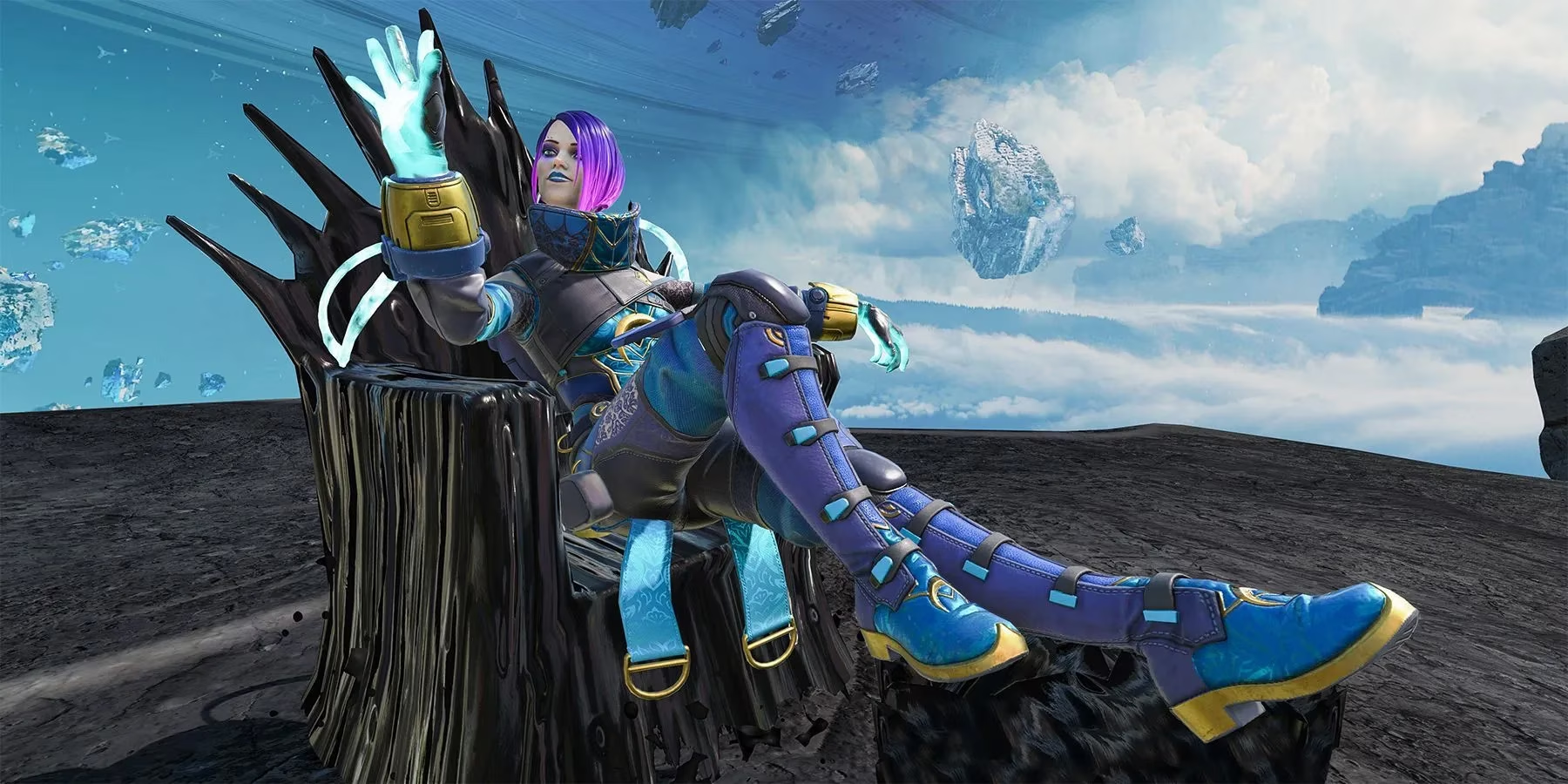
Narrative Lead Ashley Reed once spoke of crafting a future where today's struggles have faded, not into oblivion, but into progress. Playing now, I feel that vision alive. The game doesn't present a utopia—it's still a rough, competitive world—but it imagines a 28th century where identity is simply a facet of a person, not a barrier. When I hear Catalyst's dialogue, layered with her history and strength, or sense the deep, almost spiritual connection Bloodhound has with their non-binary identity, it resonates. It tells me that in this future, my existence isn't a footnote; it's an integral thread in the fabric of society. The authenticity isn't shouted; it's woven into the quiet moments between matches, in the lore tabs, in the way characters interact. It's in the personal, not the performative.
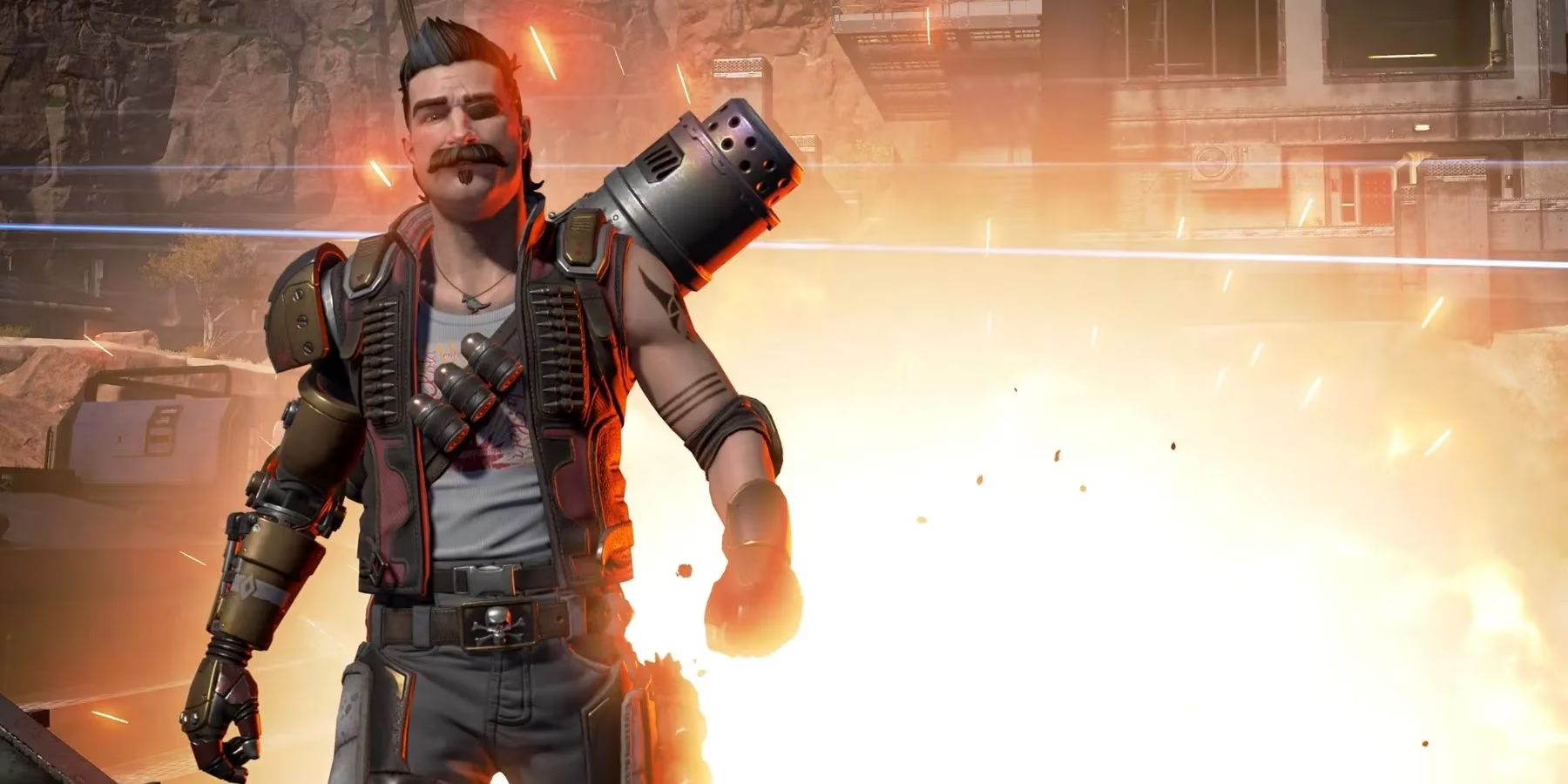
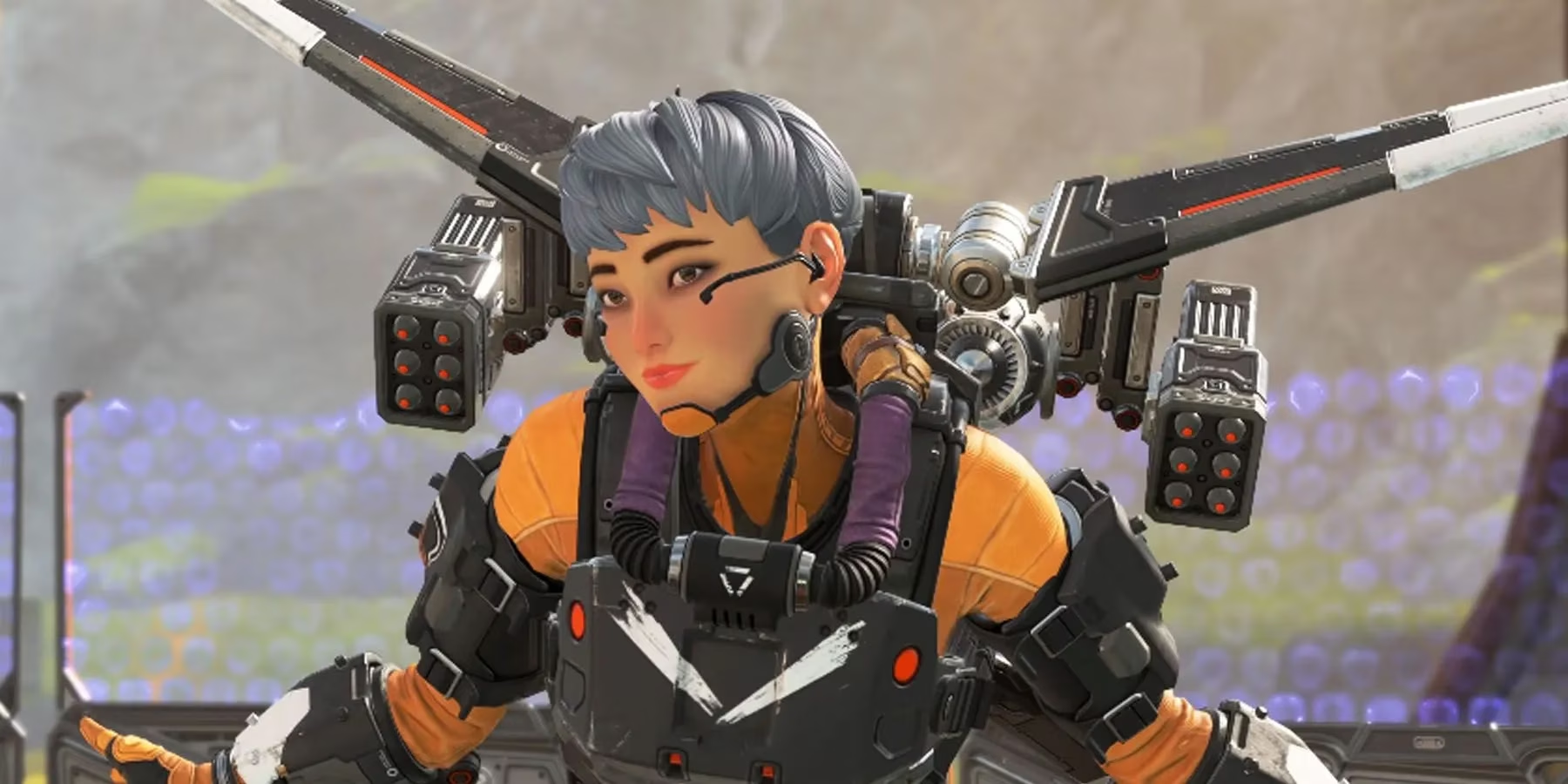
The development philosophy is what makes this world feel so real to me. The team started with personality, not with a checklist of identities. This is crucial. My queerness is a part of me, but it isn't all of me. The Legends reflect that beautiful complexity. Fuse isn't just 'the pansexual legend'; he's a charming, reckless, loyal old rocker who happens to love without boundaries. Valkyrie isn't just 'the lesbian pilot'; she's a woman grappling with a towering legacy, driven by pride and a sharp wit, who finds love with Loba. By making personality the 'North Star,' Respawn created people first, allowing their identities to shine through organically, in ways that feel earned and true.
This commitment extends deep into the creative process. I think about the care taken: consulting with non-binary developers for Bloodhound, working with Māui Studios for Mad Maggie's cultural depth, and partnering with GLAAD for Catalyst's authentic trans narrative. It shows. It avoids the pitfalls of stereotype, turning potential tokenism into genuine portrayal. It even changed how the writers thought, as Reed noted about the challenge and beauty of writing for a character like Bloodhound, which fundamentally reshapes one's relationship with language and pronouns. This isn't a marketing strategy; it's a labor of love and respect.
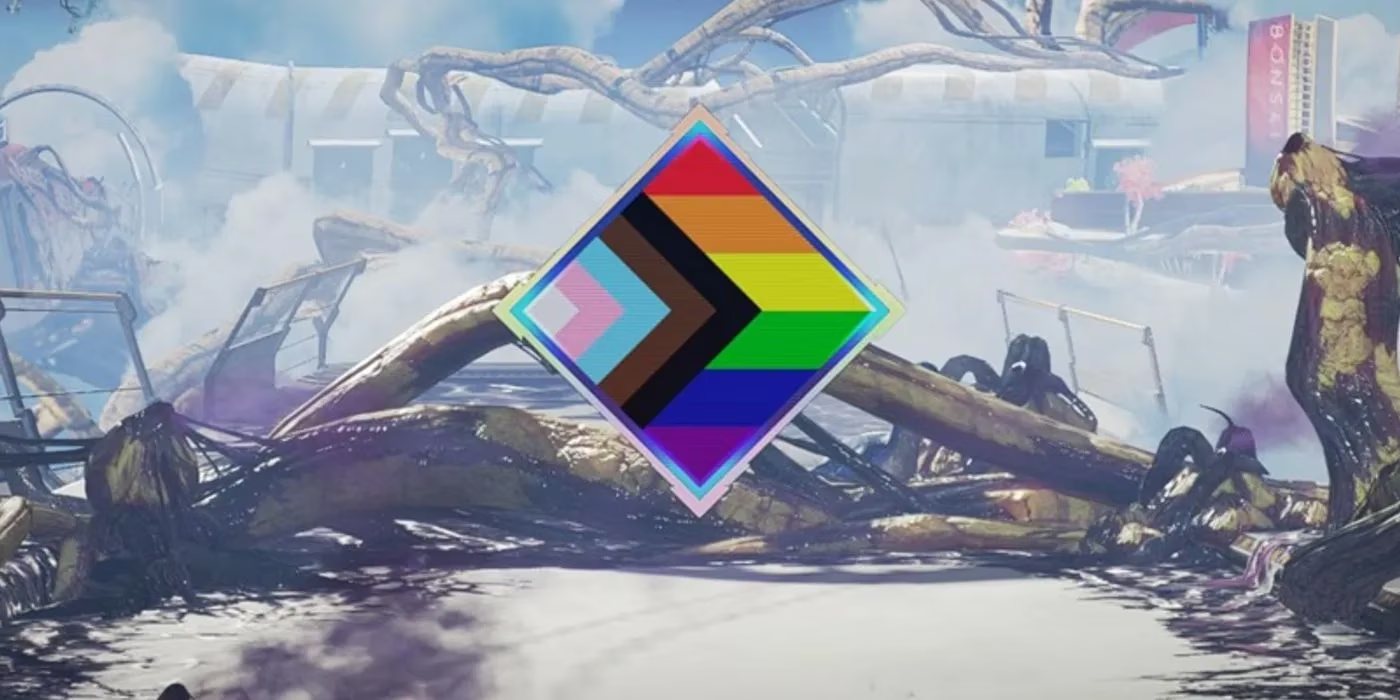
And then, there are the relationships. They are the lifeblood that makes this world pulse. The slow-burn tease of Bloodhound and Fuse's romance, the fiery and complex dynamic between Loba and Valkyrie—these aren't just subplots. They are central to the characters' motivations and growth. As a fan, becoming invested in these stories adds a profound layer to the gameplay. Dropping into a match knowing the history between two Legends on my squad changes the experience. It makes every revived teammate, every shared victory, feel more meaningful. The game masterfully lets these relationships unfold over time, through voice lines and seasonal narratives, letting us speculate and cheer, much like we do with our own friends' lives. It acknowledges that a person's story, their loves and connections, are never truly finished—both in the Outlands and in our world.
Looking forward from 2026, the legacy of Catalyst's groundbreaking introduction is palpable. The question isn't if more trans and queer characters will join the Games, but when and who they will be. The fan anticipation is a testament to how deeply this commitment to diversity has been embraced. The future Apex Legends envisions is, unequivocally and beautifully, queer. It's a future where everyone has a place, a story, and a chance to be a legend.
Playing Apex Legends today is an act of participation in that hopeful vision. It's more than winning a match. It's about seeing a version of tomorrow where I am recognized, not as an outlier, but as part of the vibrant, messy, glorious whole. Each match is a reminder: in this arena, and in the future it portrays, we are all welcome, we are all represented, and we are all, fundamentally, loved for who we are. That is the ultimate victory the game offers.