
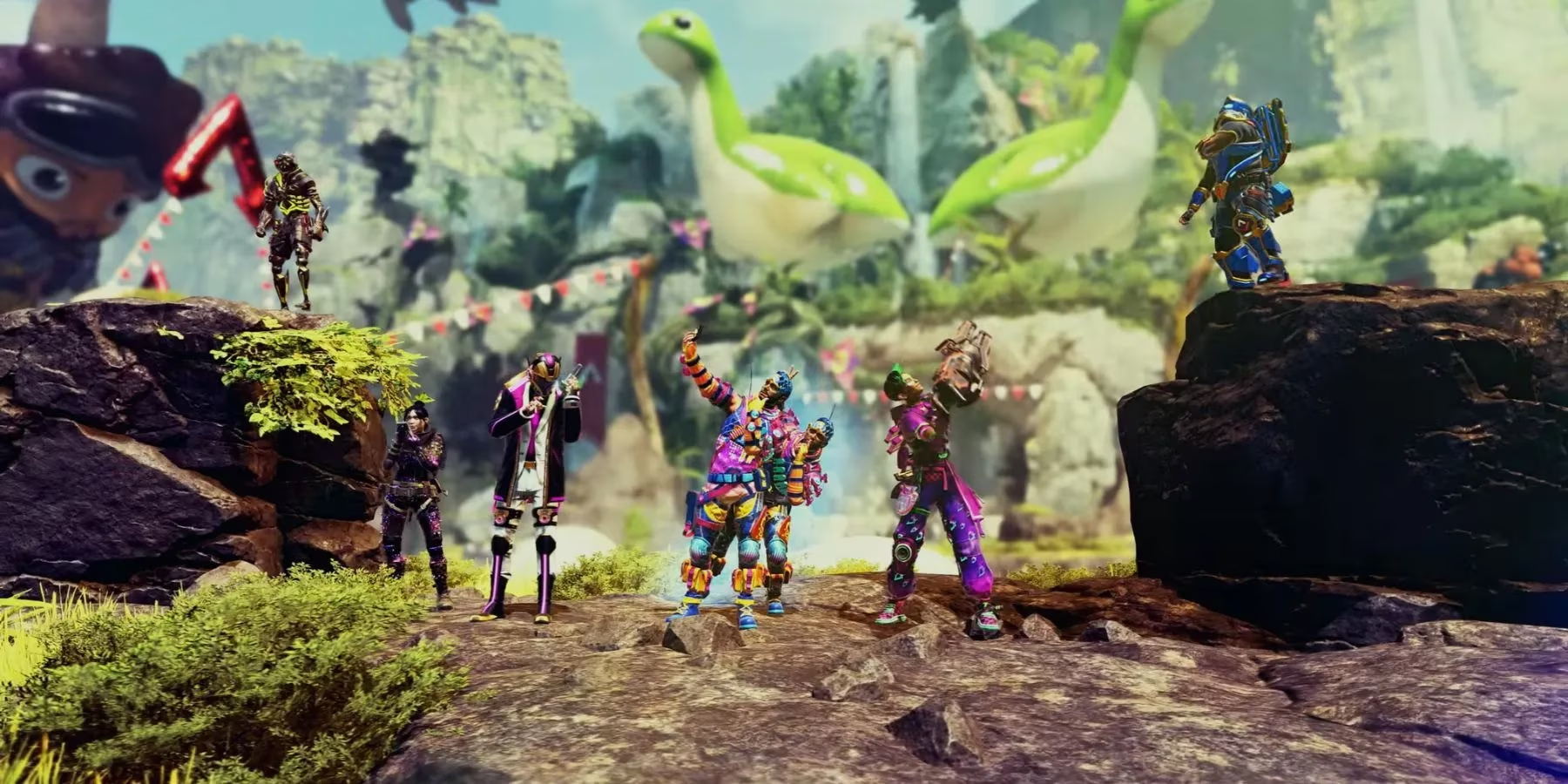
Respawn Entertainment's flagship battle royale, Apex Legends, has shattered its own record by achieving a new all-time peak player count on Steam in early 2026. This remarkable surge occurred less than a day after the launch of the game's pivotal Season 16: Revelry, signaling a powerful and positive reception from the global community towards the developer's renewed strategic focus. The milestone is particularly significant given the recent turbulence within the franchise, which included the shutdown of the mobile version and the cancellation of a rumored single-player project. The immediate player response suggests that Respawn's decision to concentrate resources on refining the core multiplayer experience is resonating strongly with its audience.
A Record-Breaking Resurgence
Data from SteamDB confirms the historic achievement. Following the Season 16 update, concurrent player numbers skyrocketed to an unprecedented peak of 610,433. This figure represents a staggering nearly 20% increase from the previous record of 510,000. The timing of this surge is a narrative in itself. For months prior, the game's player count had experienced a noticeable dip, creating a sense of anticipation and uncertainty within the community. Season 16 arrived not with the traditional fanfare of a new Legend, but with a fundamental re-evaluation of the game's systems—a bold move that, like a master chef reinventing a classic dish with subtle, precise tweaks, has reinvigorated the entire experience. The result is a player base returning in droves, drawn by the promise of a revitalized Apex Games.
The Pillars of Season 16: Revelry
What exactly fueled this dramatic comeback? Season 16 introduced a suite of major changes focused on quality-of-life improvements and structural evolution, rather than simply adding new content. Key updates include:
| Feature Change | Description | Community Impact |
|---|---|---|
| Class System Rework | Complete overhaul of the existing class roles and perks for all Legends. | Creates deeper strategic team composition and freshens meta. |
| New Core Mode: Team Deathmatch | Replaces the Arenas mode with a permanent, fast-paced 6v6 respawn mode. | Offers a pure combat alternative to the battle royale formula. |
| Playlist Feature | Allows players to queue for multiple game modes simultaneously. | Reduces wait times and increases match variety. |
| Legend Balancing & Updates | Significant tweaks to character abilities and weapon meta across the board. | Shakes up the established competitive landscape. |
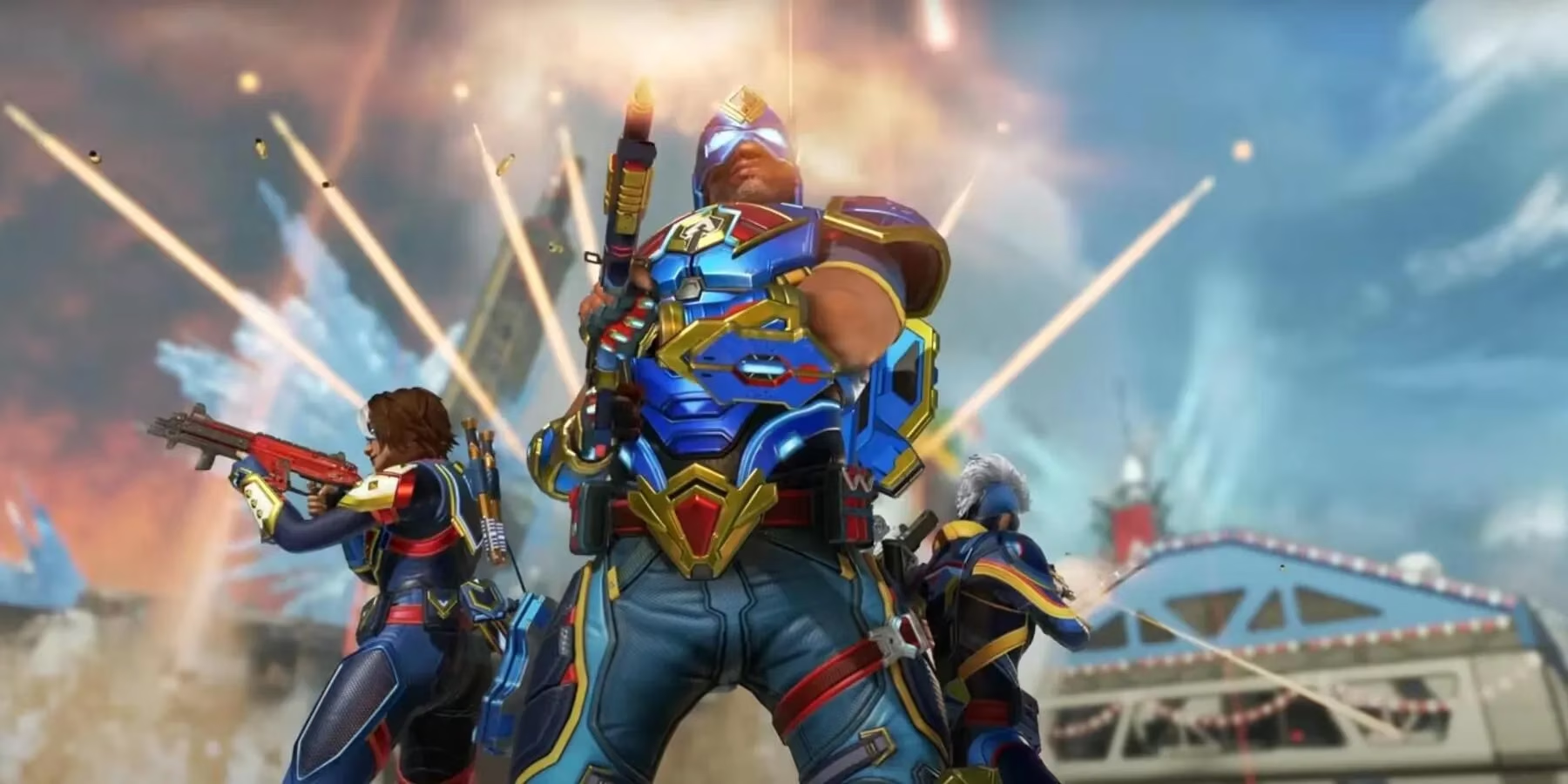
While the removal of Arenas was initially met with some disappointment from its dedicated players, the introduction of Team Deathmatch has been largely welcomed as a more accessible and action-packed alternative. The new class system functions like a complex ecosystem where each role—Assault, Skirmisher, Recon, Controller, and Support—now possesses unique gameplay perks, encouraging more diverse and synergistic squad play.
Community Reception and Future Trajectory
The player count speaks volumes, but the community's voice provides nuance. The initial reaction to the Season 16 changes has been a tapestry of excitement and critical feedback:
-
😃 Positive Feedback: Players praise the refreshed feel of the game, the engaging Team Deathmatch mode, and the impactful class rework that makes every Legend feel newly relevant.
-
🤔 Constructive Criticism: Some players have expressed concerns over specific balance issues in the new Team Deathmatch maps and the initial learning curve associated with the revamped class perks. The new system, while innovative, can feel as intricate and demanding as calibrating a high-precision chronometer, requiring time to master.
-
🔮 Future Expectations: Respawn has already signaled that this is just the beginning. The developer previously announced it is working on a next-generation matchmaking system to succeed the current Skill-Based Matchmaking (SBMM), aiming to create more balanced and satisfying matches.
The studio's recent difficult decisions to sunset projects appear, in hindsight, as a strategic consolidation. By channeling development efforts into the core game, Respawn has demonstrated a commitment to Apex Legends' long-term health. The record-breaking player peak is a clear vote of confidence from the community. It proves that a live-service game's longevity isn't solely dependent on constant, flashy additions, but often on thoughtful refinement and a willingness to evolve foundational mechanics. As Apex Legends continues its journey into 2026 and beyond, Season 16: Revelry may well be remembered as the pivotal update that re-anchored the title to its community, setting a new course for its future—one that feels as stable and promising as a fortress built upon bedrock.
The Road Ahead
The challenge now for Respawn is to sustain this momentum. The dramatic influx of players is a powerful start, but maintaining engagement will require careful attention to the feedback loop. The developer must navigate balancing the new systems, polishing the Team Deathmatch experience based on player data, and delivering on the promise of the improved matchmaking system. Furthermore, the absence of a new Legend in Season 16 sets a precedent; the community will be keenly watching to see how narrative and character development are woven into future seasonal updates that prioritize systemic changes.
In the broader context of the competitive shooter landscape in 2026, Apex Legends' resurgence is a significant event. It demonstrates that even established giants can reinvent themselves successfully by listening to their player base and having the courage to make substantial changes. The game remains available across all major platforms, and this new chapter has undoubtedly attracted both lapsed veterans and curious newcomers alike. The legend of the Apex Games continues, stronger than ever.
Data referenced from Esports Charts underscores how big seasonal shake-ups can ripple beyond casual queues into the broader competitive ecosystem, where audience attention and player activity often move in tandem. For a live-service shooter like Apex Legends, surges tied to major systemic updates—such as class-role redesigns and new permanent modes—can translate into heightened visibility across events and creator-driven competition, reinforcing the importance of sustained balance work and matchmaking improvements after a breakout peak.