
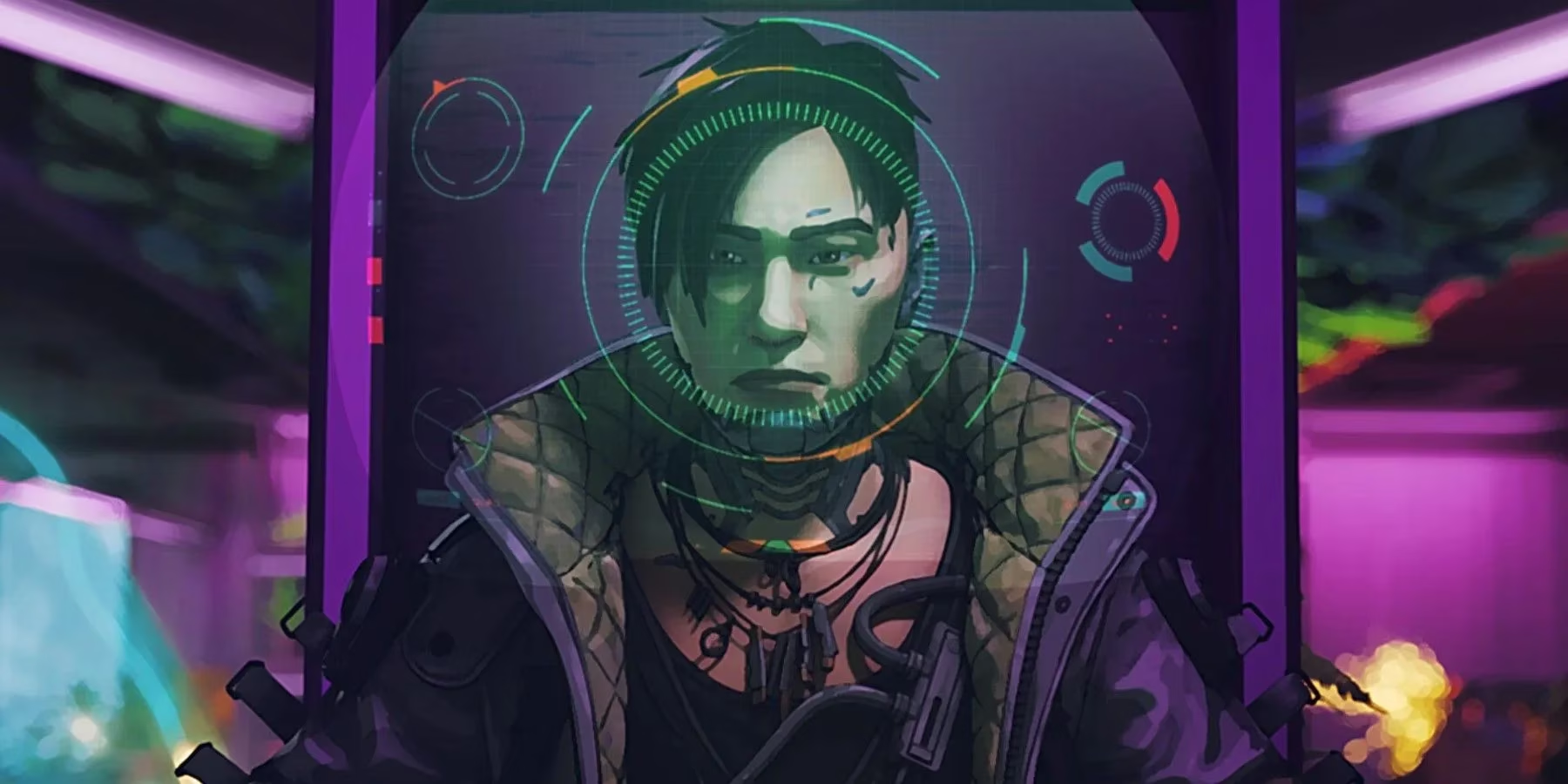
In the middle of a turbulent stretch for Apex Legends, a strange and frustrating problem began to shadow the start of matches. Players would load into a game, only to be thrown back out again. The culprit was not a server outage or a new weapon balance disaster, but something far more cosmetic: animated Epic poses. Respawn Entertainment soon found itself asking players to remove some of the most exciting cosmetics in the game, a request that landed badly with a community already nursing a list of grievances.
The timing made the problem sting even more. The community had been vocal about the Ranked split on Kings Canyon and disappointed by what some saw as thin content during the Monsters Within event. Into that mood came a recurring crash tied to Epic banner poses. Respawn posted an in-game message and used its social channels to advise players to unequip the poses. The studio also encouraged players to spread the word and said a fix was expected the following week, though it did not commit to an exact time.
For a live-service game, that kind of advisory is always awkward. It asks players to stop using content they earned, bought, or showcased proudly. Epic poses were not filler trinkets; they were animated showpieces, often sold in the store or tied to limited-time events. Some players had paid real money for them. Telling those players to switch them off felt less like a workaround and more like a refund-worthy annoyance.
🛠️ The Bug at a Glance
| Element | Detail |
|---|---|
| Trigger | Animated Epic poses |
| Symptom | Frequent crashes when loading into matches |
| Respawn response | In-game and social media advisory to unequip poses |
| Fix timeline | Expected the next week, with no exact patch time |
| Community mood | Frustrated, especially after similar crashes the previous month |
A Respawn developer known as RobotHavGunz discussed the issue with players on the Apex Legends community forum. According to the developer, there was no obvious reason in the code why Epic animated banner poses should trigger the crash more often. The bug had not appeared in testing or quality assurance either. Yet the team acknowledged that it was real and that it was hitting a meaningful number of players.
The explanation pointed to a safeguard Respawn had built to stop poses from running on the wrong Legends. That protective measure, meant to keep cosmetics from breaking character-specific systems, appeared to be misfiring. It was a classic live-service headache: a small defensive layer, added for safety, creating an unexpected fault line under specific conditions.
What made the episode especially deflating was its familiarity. Players had already run into similar crashes tied to Epic poses the month before. The new advisory therefore felt less like a fresh emergency and more like a repeat of a problem that had never been fully put to bed. Respawn's promise of a patch was welcome, but trust was thin.
The timing also cast a shadow over brighter news. Just days earlier, Respawn had revealed that the next seasonal update would be called Escape and confirmed that Ash, formerly of Titanfall 2 and the announcer for Arenas, would arrive as a playable character. That announcement should have been a clean win. Instead, the pose crashes became the loudest conversation in the room. Fans wanted to be excited about Ash and the new season, but they were being asked to strip their Legends of animated cosmetics just to get into a match.
🎭 Why Epic Poses Mattered
-
They were among the most visible cosmetics in Apex Legends.
-
They appeared in the store and during limited-time events.
-
Some players had spent real money to obtain them.
-
They were designed to be shown off, not disabled as a troubleshooting step.
From a distance, the fix sounded simple: remove the poses, wait for the patch, and move on. In practice, the request exposed a deeper tension in live-service games. Cosmetic items are not just decoration; they are part of the reward loop, the identity system, and sometimes the purchase history of a player. When a cosmetic becomes a crash trigger, the developer has to balance technical triage against player goodwill. Respawn chose transparency, but transparency could not erase the frustration.
The developer's honesty about the mystery helped. RobotHavGunz did not pretend the team had immediately cracked the case. The bug had slipped through QA, and the code offered no obvious clue. That admission made the situation understandable, even if it did not make it less annoying. Players could appreciate the difficulty of chasing an intermittent crash while still being annoyed that their favorite poses were the problem.
By 2026, the episode reads as a cautionary tale for live-service teams. Cosmetic systems are not side content; they are live systems with dependencies, edge cases, and player expectations attached. A safeguard meant to protect character-specific logic became a source of instability, and a paid showcase item became a troubleshooting liability. The lesson was not that animated poses were dangerous, but that every cosmetic layer needs the same rigorous testing as gameplay systems.
Apex Legends did not collapse under the weight of one bug. The game remained one of the most popular battle royales on the market, and the Escape season still had its own momentum. But the Epic pose crash left a mark. It reminded players that live-service games are held together by invisible safeguards, and it reminded developers that even the smallest cosmetic can become the biggest problem in the lobby. 🎮