
As I drop into the chaotic, ever-evolving arena of the Apex Games in 2026, my connection to the battle royale runs deeper than just mastering movement tech or hitting clutch shots. For me, Apex Legends has become more than a game; it's a vibrant, living tapestry of stories where I see fragments of myself and my community reflected in the champions I choose to main. In a media landscape that often feels monolithic, Respawn Entertainment crafted the Outlands not just as a battleground, but as a world where diversity is woven into its very fabric, not as a footnote but as foundational lore. This representation isn't a marketing checklist—it's the soul of the game, making every match feel personal. The characters are like multifaceted prisms, each catching the light of human experience from a different angle, and their identities are explored with a care that feels as revolutionary today as it did when the game first launched.
The Gentle Giant: Gibraltar's Quiet Revolution
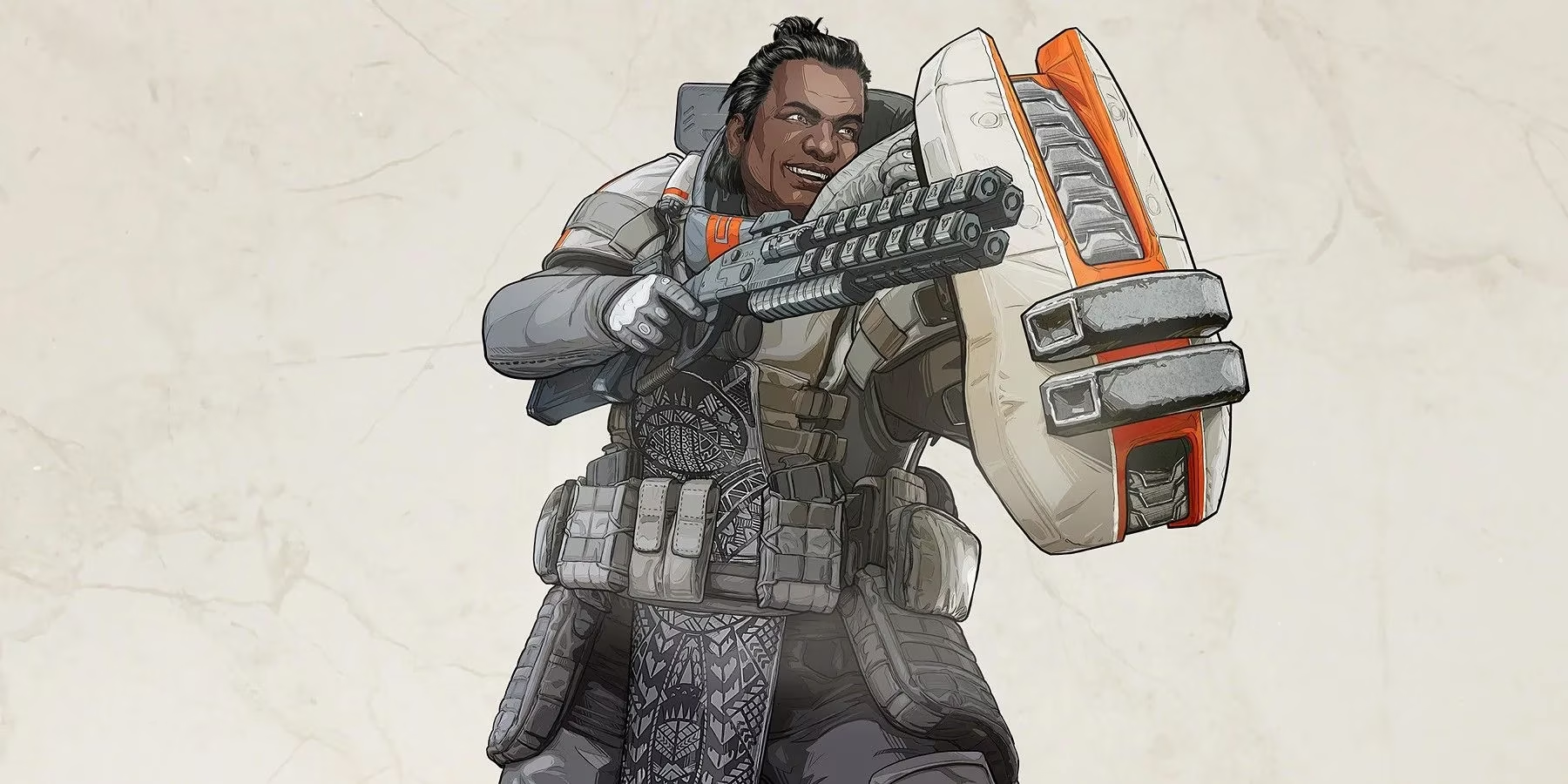
When I first locked in as Gibraltar, I was drawn to his defensive bubble and booming personality. Learning his lore was like discovering a secret garden in the middle of a warzone. Makoa Gibraltar, one of the original eight legends, is canonically gay. His story with his boyfriend Nikolas, detailed in the comics, isn't a tragic tale or a defining flaw—it's simply a part of who he is, as integral as his love for his family. He shattered stereotypes like his own Dome of Protection shatters incoming fire. In a world of flashy characters, Gibraltar's importance is his profound normalcy; he's a regular, compassionate guy who happens to be gay and happens to be a hero. His presence was a quiet earthquake in gaming representation, proving that a character's identity could be both clearly stated and seamlessly integrated, as natural as the rhythm of his heartbeat.
Beyond the Binary: Bloodhound's Mysterious Heart
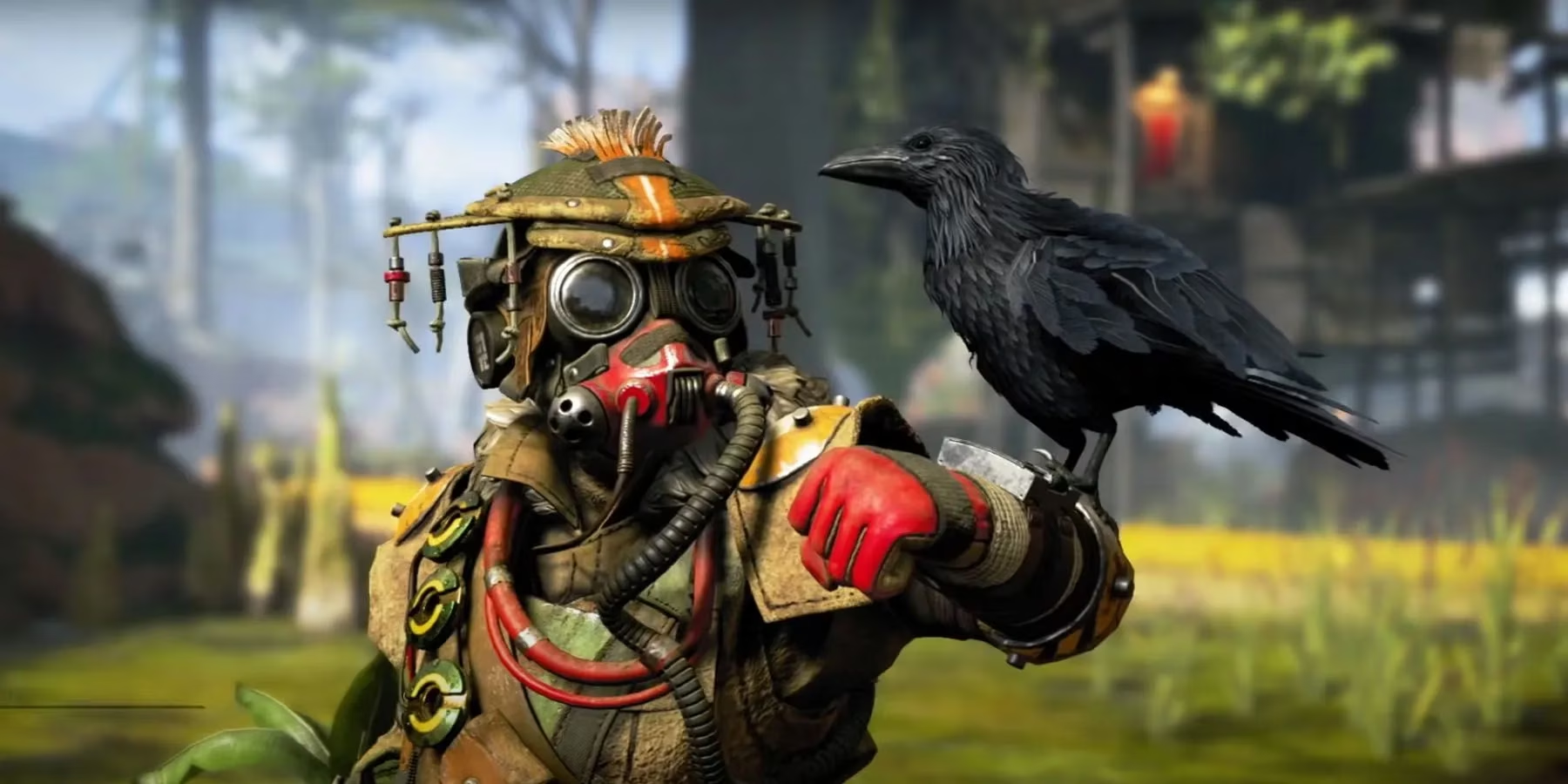
Then there's Bloodhound. The enigmatic hunter, a "mystery wrapped in layers of rumors," was confirmed as non-binary. In 2026, this remains a powerfully resonant choice. Playing as Bloodhound feels like navigating a storm of sensor darts and scan pulses, but beneath the tech is a character whose identity is respected through the consistent use of they/them pronouns. Their gender isn't a puzzle to be solved; it's a truth to be accepted. They are a testament to the idea that strength and mystery are not confined to traditional boxes. For me, Bloodhound is like an ancient, rune-carved monolith in a digital forest—unwavering, profound, and speaking a truth that transcends simple labels.
The Flirtatious Art of Being: Loba & Valkyrie
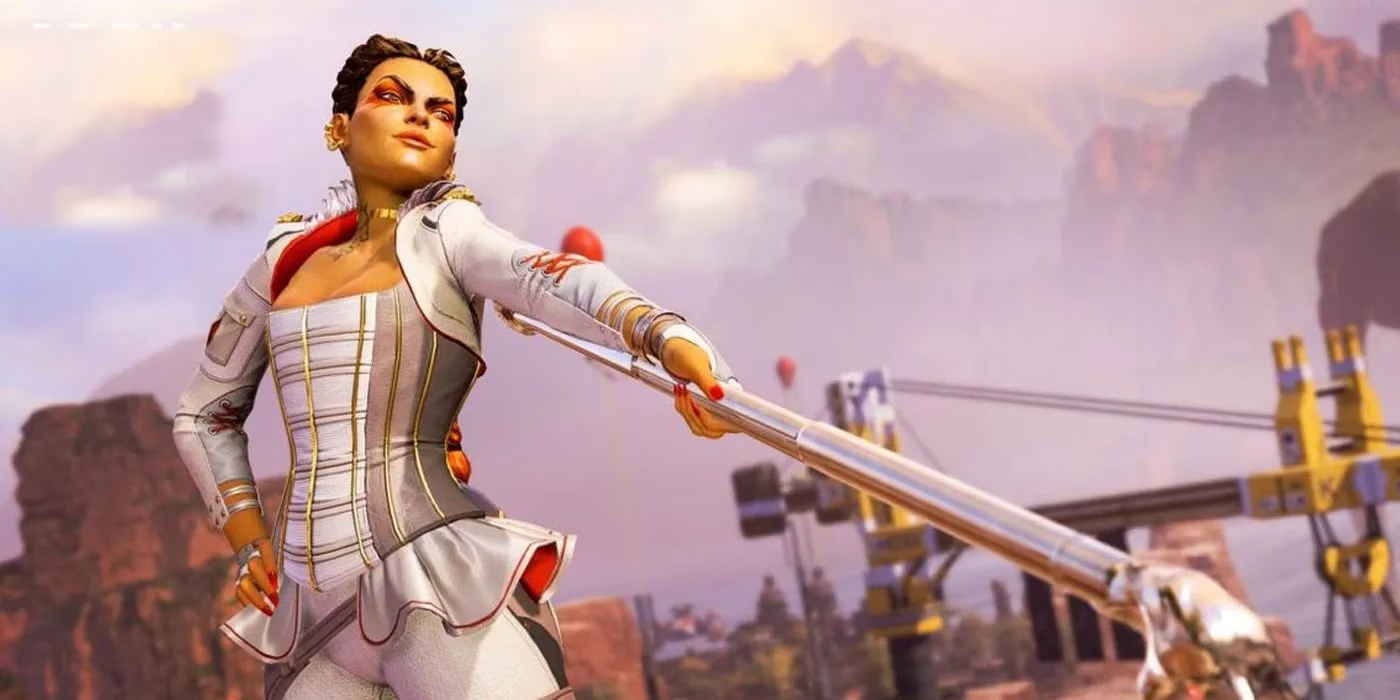
Loba Andrade entered the Games with the grace of a dancer and the wit of a master thief. Her flirtatious voice lines, especially toward other female legends, had the community buzzing. The confirmation of her bisexuality felt like a victory lap for attentive players. Her lore explores a complicated, messy love life with a refreshing honesty, involving past tensions with Bangalore and her current, blazingly public relationship with Valkyrie.
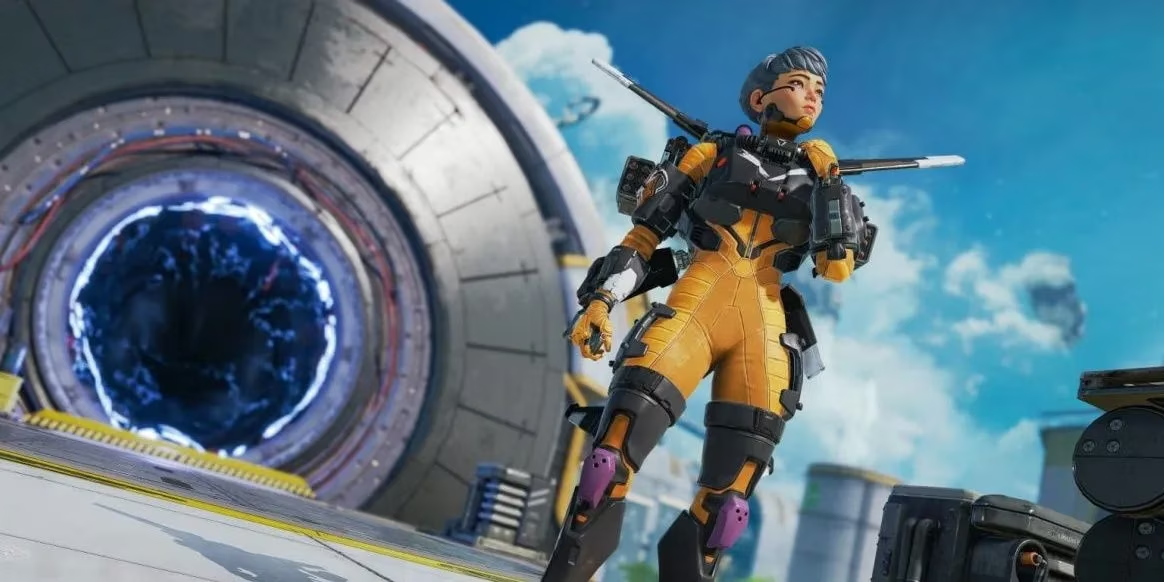
And Kairi "Valkyrie" Imahara? She soared into the arena and stole my heart. She is unabashedly, joyfully gay. Voice lines like "I like my women like I like my sake" aren't hidden; they're battle cries. Her relationship with Loba is dynamic, filled with playful banter you can hear in-game. Writer Tom Casiello said he loved how she "owns her sexuality outright," and playing her, you feel that pride. She's a beacon, a character who refuses to be apologetic for who she is or who she loves. Valkyrie is like a perfectly tuned jet engine—powerful, loud, and leaving a brilliant, undeniable trail of fire in her wake.
The Heart Seers: Fuse & Seer's Expansive Love
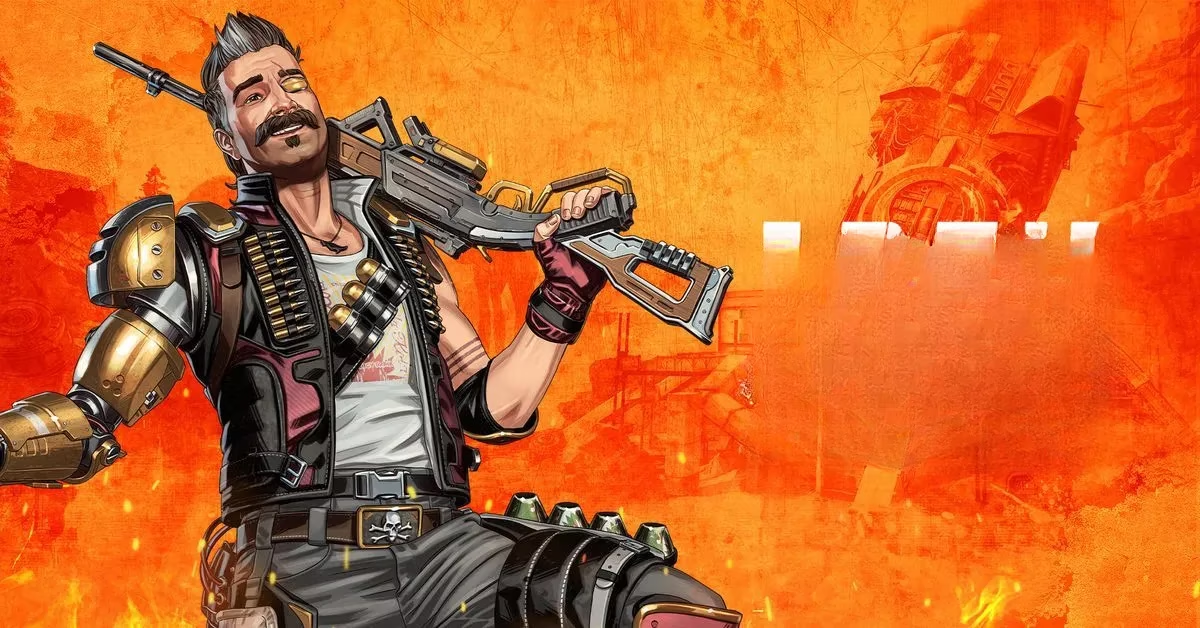
Walter "Fuse" Fitzroy, the one-armed explosives enthusiast, brought a different kind of energy. Described as a "ladies' man, man's man, and all-round manly man," his pansexuality was confirmed with a casual shrug that fit his character perfectly. His potential romance with Bloodhound, blossoming in the Armageddon comic and Friends Like These quest, became one of the fandom's most beloved stories. It's a connection that speaks to seeing the person beneath the armor, a theme central to Seer as well.
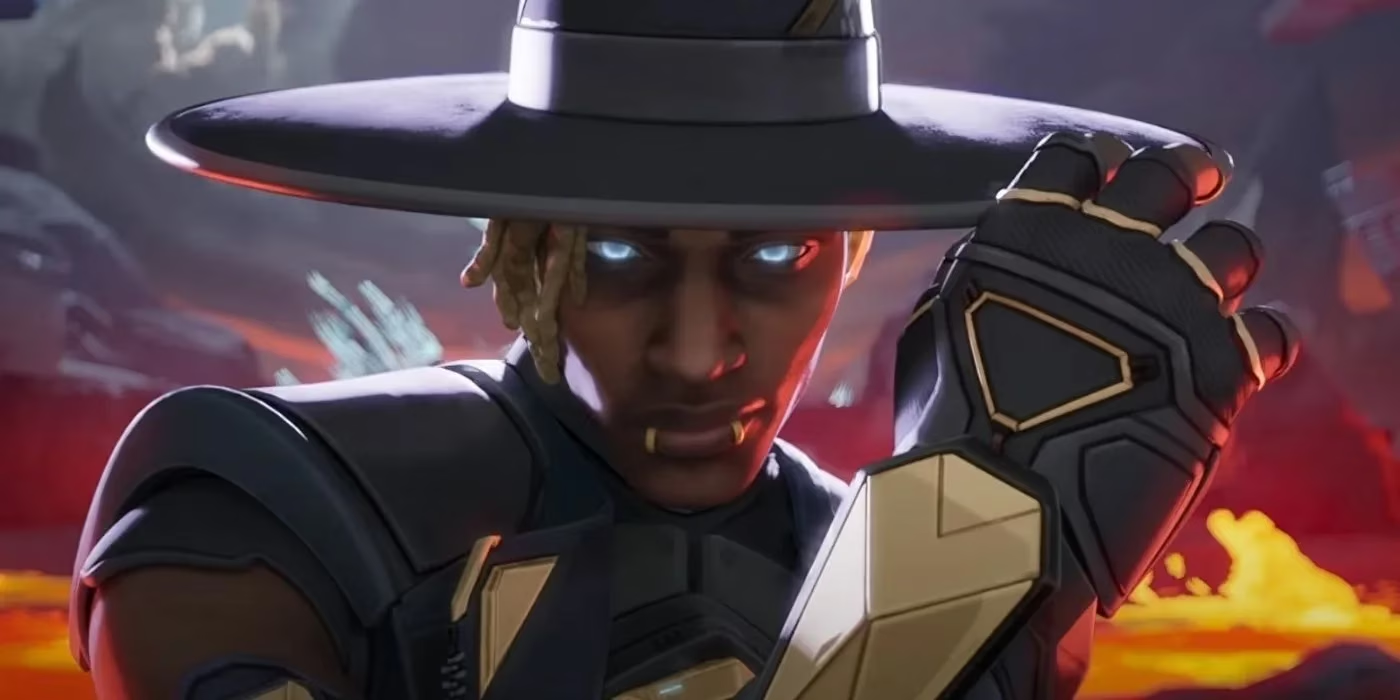
Obi "Seer" Edolasim, the ambush artist with a heart of gold, is another pansexual icon. Lead writer Amanda Doiron clarified that "Seer sees to the heart of people and doesn't limit himself to a specific gender." His identity is an extension of his artistic, empathetic soul. He is attracted to the light within people, a concept as beautiful as his micro-drones. To me, Seer's pansexuality is like his own artistic performances—not confined to a single canvas, but a celebration of color, light, and essence in all its forms.
A Landmark Debut: Catalyst's Hope
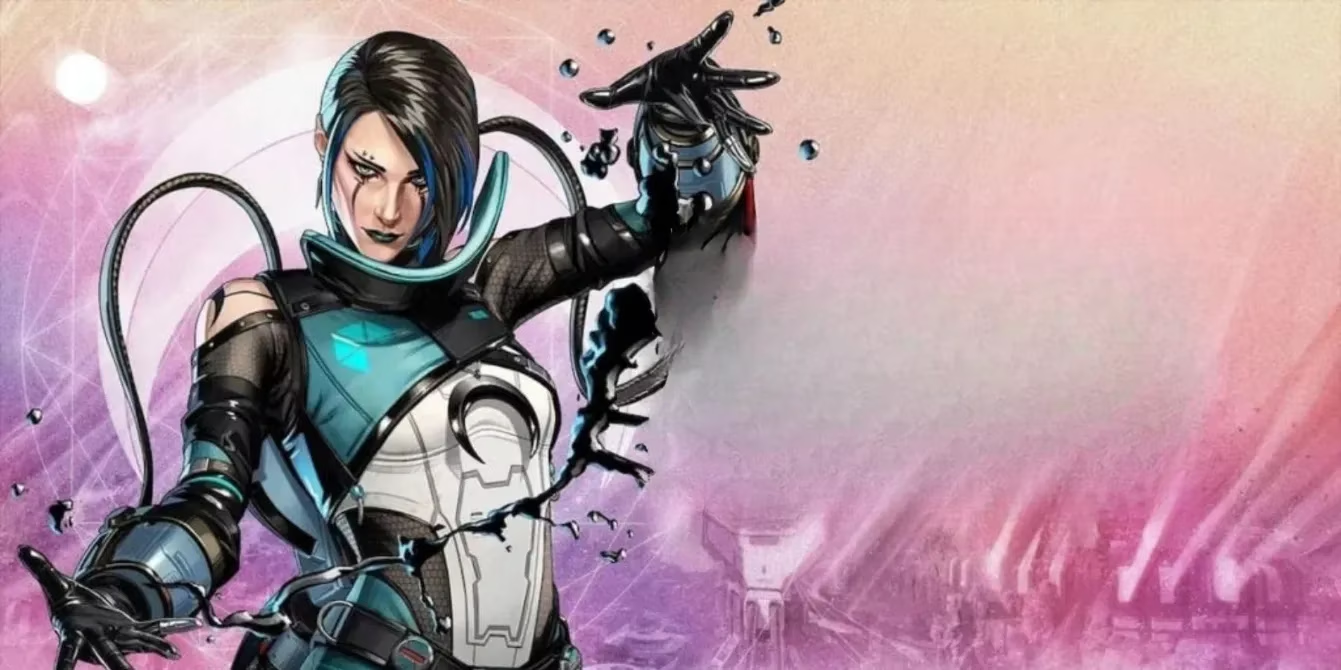
The arrival of Catalyst (Tressa Smith) in Season 15 was a watershed moment. As the game's first transgender woman, her introduction in the Last Hope cinematic was handled with immense care. Her conversation with her friend Margo about her transition—"My whole world opened up when I finally started being myself"—was a moment of raw, beautiful vulnerability rarely seen in AAA gaming. Her story acknowledges the hardship but focuses on the triumph and self-actualization. Catalyst isn't just a "trans character"; she is a complex conjurer who uses ferrofluid, protects her friends, and happens to be trans. She is a crucial role model, her narrative a sturdy bridge built for those still finding their path.
Why This Legacy Matters in 2026
Looking at the roster today, the legacy of Apex's representation is clear. It set a new standard. The table below shows just how integral these identities are to the game's heart:
| Legend | Identity | Key Significance |
|---|---|---|
| Gibraltar | Gay | Early, non-stereotypical representation; normalized LGBTQ+ identity. |
| Bloodhound | Non-binary | Pioneering gender identity representation in a major FPS. |
| Loba | Bisexual | Explores complex, multi-faceted queer relationships and lore. |
| Valkyrie | Lesbian | Unapologetically out and proud; models joyful queer visibility. |
| Fuse | Pansexual | Challenges rigid masculinity; attraction based on personality. |
| Seer | Pansexual | Identity linked to empathy and seeing the inner self. |
| Catalyst | Transgender | Landmark, heartfelt trans representation with a focus on hope. |
These characters are not defined solely by their LGBTQ+ identities, but those identities are honored as essential, enriching parts of their stories. They fight, love, lose, and triumph as whole people. Playing Apex Legends, I'm not just picking a kit; I'm choosing a story I connect with. In the Outlands, I found a world that didn't just tolerate diversity but celebrated it with every ring closure, making every player feel like they truly belong. This game, for me, is like a masterfully crafted mosaic made from broken shards of a thousand mirrors—each piece reflects a different truth, and together, they create a picture more stunning and complete than any single reflection could ever be.